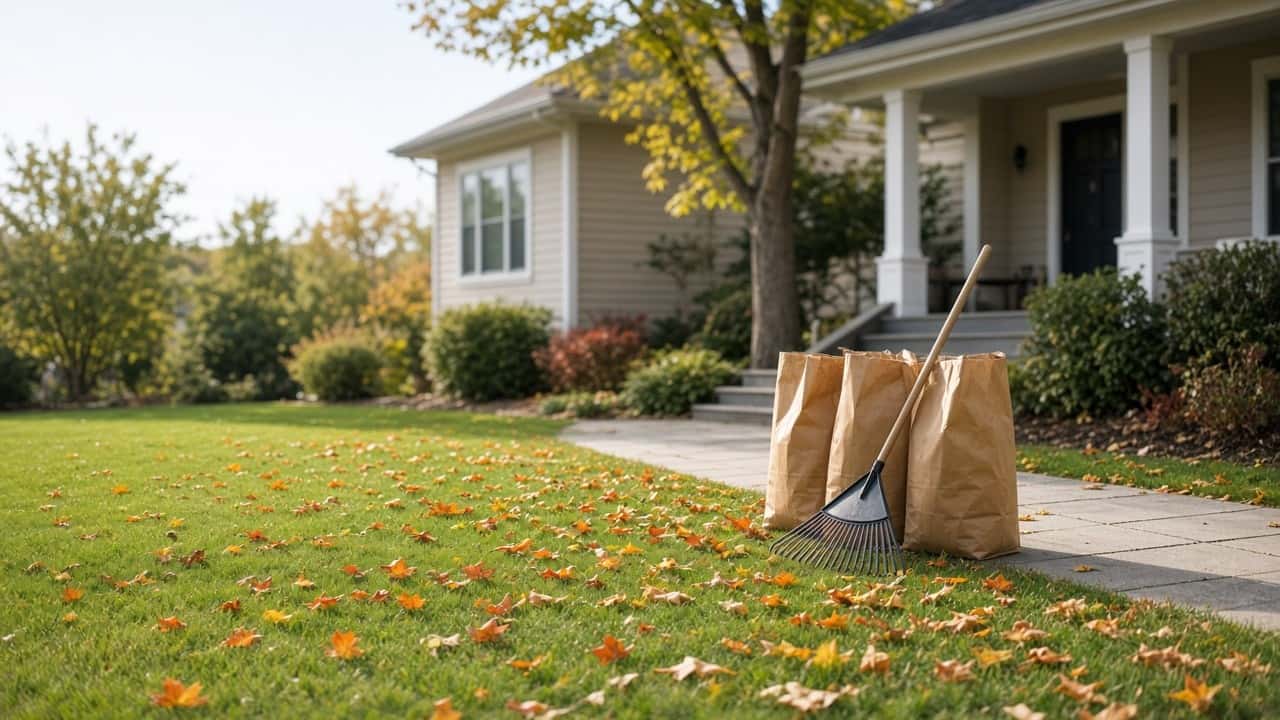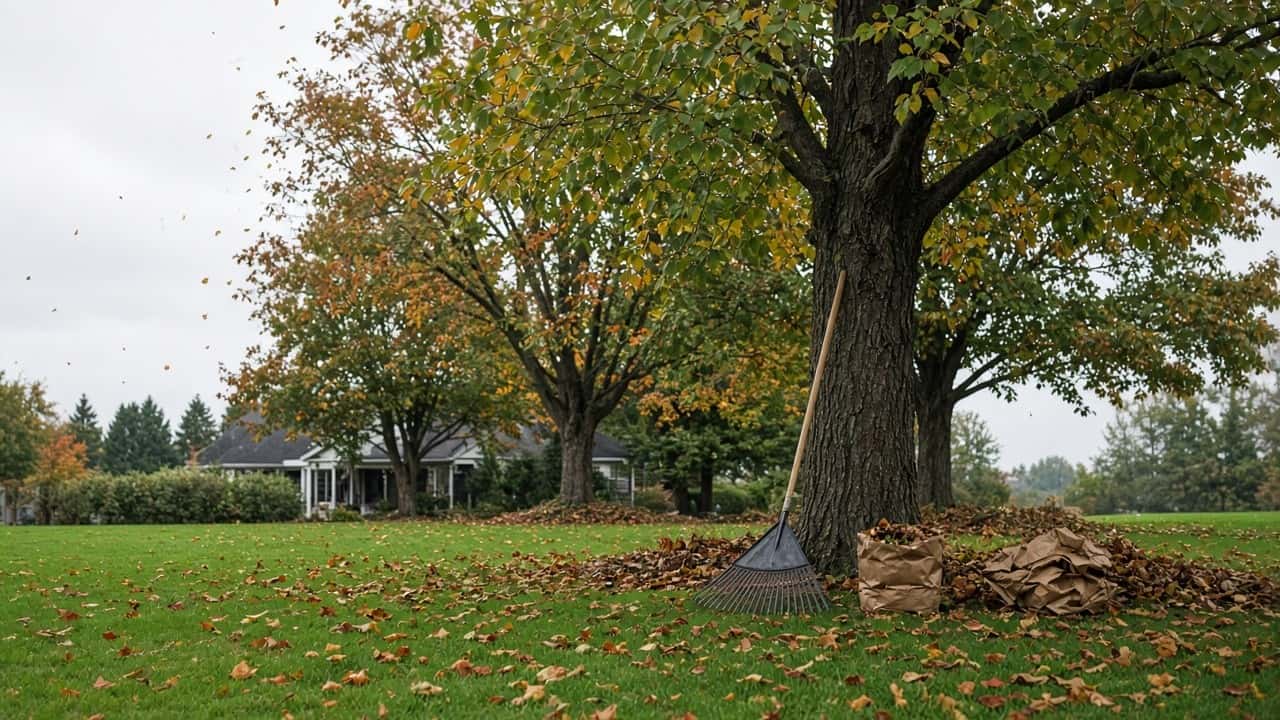
Leaf season is here, and the yards that looked easy in July are suddenly full of work. If you price leaf cleanup as a little extra on the mow, those stops start eating your day. A yard with three big trees and a bag requirement is not the same job as a yard with one maple you can mulch as you go. How do you price leaves so the week still pays?
Look at what the property actually takes. How many trees drop on that lawn? How long are you on site? Are you mulching or bagging? Do you have a dump trip after? Those answers set the price. A flat bump on the weekly mow price ignores all of them, which is how a "small add-on" turns into an hour you never billed for.
Price the property's leaf load: trees, time on site, bag or mulch, and the dump trip.
After the first leaf visit, put what you learned in the property notes: tree count, bag or mulch, about how long it ran, and whether you hauled. Next year's quote starts from that, not from a guess. You stop rediscovering the hard yards every October.
Leaves aren't a tip on the mow. They're a one-time service with their own price. Quote them that way so the customer sees what they're paying for, and so you see whether the stop is worth taking at that price. If the leaf load won't cover your time and the dump run, raise it or pass.
Run My Lawn Biz prices each service on a quote with how often you'd do it, so leaf cleanup sits as its own one-time line instead of disappearing into the mow. Property notes hold the tree count, bag-or-mulch choice, and time it took, so the next quote starts from what this year actually cost you.
Price the leaf load before the bags pile up, and leaf season pays for the work it takes.